
.svg)
| Program Level | Duration of study | Type of study | Language of instruction |
|---|---|---|---|
|
Bachelor's degree
|
6 academic years + mandatory internship year
|
Full-time
|
English
|
About the program
The MBBS degree is one of the most prestigious undergraduate degrees in healthcare and the primary qualification for those aspiring to become doctors and surgeons.
The MBBS program combines elite theoretical knowledge with comprehensive practical training. It begins with foundational subjects such as anatomy, physiology, and biochemistry to understand the human body, then progresses to advanced topics like pathology, pharmacology, microbiology, and community medicine.
Students gain hands-on experience through hospital rotations in various specialties, including internal medicine, surgery, pediatrics, obstetrics and gynecology, forensic medicine, and psychiatry. This training contributes to developing the diagnostic and treatment skills necessary for medical practice.
It also places great importance on communication skills, professionalism, empathy for patients, a scientific approach based on faith and courage, lifelong learning, and a steadfast commitment to medical ethics.
The program spans several years, followed by a one-year internship (training). Upon graduation, graduates are qualified to work as general practitioners or to pursue various medical specialties according to regulations.
Ultimately, medicine and surgery are not merely academic courses, but gateways to a distinguished career path that enables graduates to become key contributors to improving public health, financial sciences, and community finance.
- Preparing physicians who are scientifically and practically qualified to practice general medicine in accordance with approved professional standards. Integrating theoretical knowledge with practical and clinical training to ensure a comprehensive understanding of the human body, diseases, and treatment methods.
- Developing diagnostic and treatment skills through clinical training and rotations in major medical specialties.
- Enhancing communication skills, professionalism, empathy with patients, and adherence to medical ethics.
- Establishing an evidence-based approach to medical practice and lifelong learning.
- Enabling graduates to serve the community and contribute to improving public health and advancing medical science.
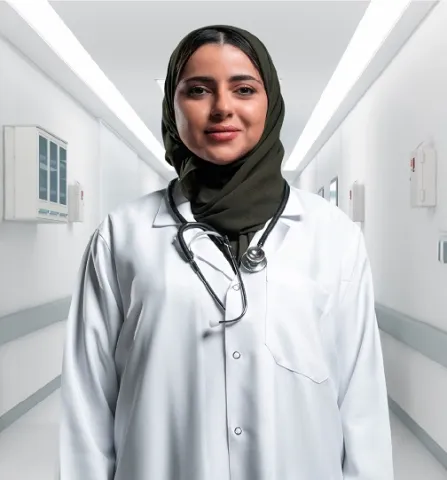

Career Opportunities
The Bachelor of Medicine and Surgery program offers graduates multiple career paths in the healthcare sector, most notably:
First: General Medical Practice
Working as a general practitioner after fulfilling the requirements for professional classification and licensing according to applicable regulations.
Working in hospitals, medical centers, clinics, and primary healthcare centers.
Participating in providing diagnostic, treatment, and follow-up medical services to patients within healthcare teams.
Second: Residency Programs and Medical Specialties
Completing professional training in medical residency programs in specialties such as internal medicine, surgery, pediatrics, and obstetrics and gynecology.
Pursuing support or subspecialties according to regulatory requirements and available training opportunities.
Building a specialized career path in clinical fields after obtaining the necessary qualifications and licenses.
Third: Working in Various Healthcare Sectors
Working in government and private hospitals and specialized health centers.
Working within public health, preventive medicine, and health awareness programs.
Participating in quality and patient safety teams and improving healthcare services.
Fourth: Academic and Research Path
Working in medical education after completing postgraduate and academic requirements.
Participating in medical research. Clinical and Scientific Knowledge Development in the Health Field
Contributing to clinical training and transferring medical expertise to students and trainees
Fifth: Community and Public Health Service
Participating in health and community initiatives, awareness campaigns, and prevention programs
Contributing to improving community health indicators and promoting healthy behaviors
Supporting national efforts aimed at developing the quality of healthcare and raising the efficiency of medical services
Acquired Knowledge and Skills
Upon completion of the program, graduates will acquire a range of medical and professional knowledge and skills, including:
Basic Medical Knowledge: Studying anatomy, physiology, and biochemistry to gain a comprehensive scientific understanding of the human body
Advanced Medical Knowledge:
Familiarity with pathology, pharmacology, microbiology, and community medicine
Clinical Skills: Gaining direct practical experience through hospital rotations and managing various medical cases
Diagnostic and Treatment Skills: Developing the ability to assess medical conditions and develop appropriate treatment plans based on scientific evidence
Communication and Professionalism: Developing communication skills with patients, their families, and members of the healthcare team, while maintaining empathy and respect
Medical Ethics: Adhering to ethical and professional standards at all stages Providing Healthcare
Continuous Learning: Embracing a culture of lifelong learning and staying up-to-date with medical and scientific advancements
Learning Outcomes:
Upon completion of the program, graduates will be able to:
Apply basic and clinical medical sciences to understand and analyze patient cases
Practice examination, diagnosis, and treatment skills within the scope of general practice and in accordance with professional standards
Treat patients with professionalism, empathy, and respect for privacy and human dignity
Work effectively within a multidisciplinary healthcare team
Follow an evidence-based approach in medical decision-making
Commit to professional development and continuous learning, and pursue further medical specializations if desired
Why Choose Al Nahda College?
A healthcare program that meets the growing need for qualified medical professionals in the healthcare job market. An academic structure that combines basic medical sciences with practical clinical training.
Professional qualification that enables students to build a medical career path starting with general practice and extending to various medical specialties.
A clear emphasis on medical ethics, communication skills, and professionalism in dealing with patients.
A direct contribution to community service, improving public health, and developing the healthcare sector.